
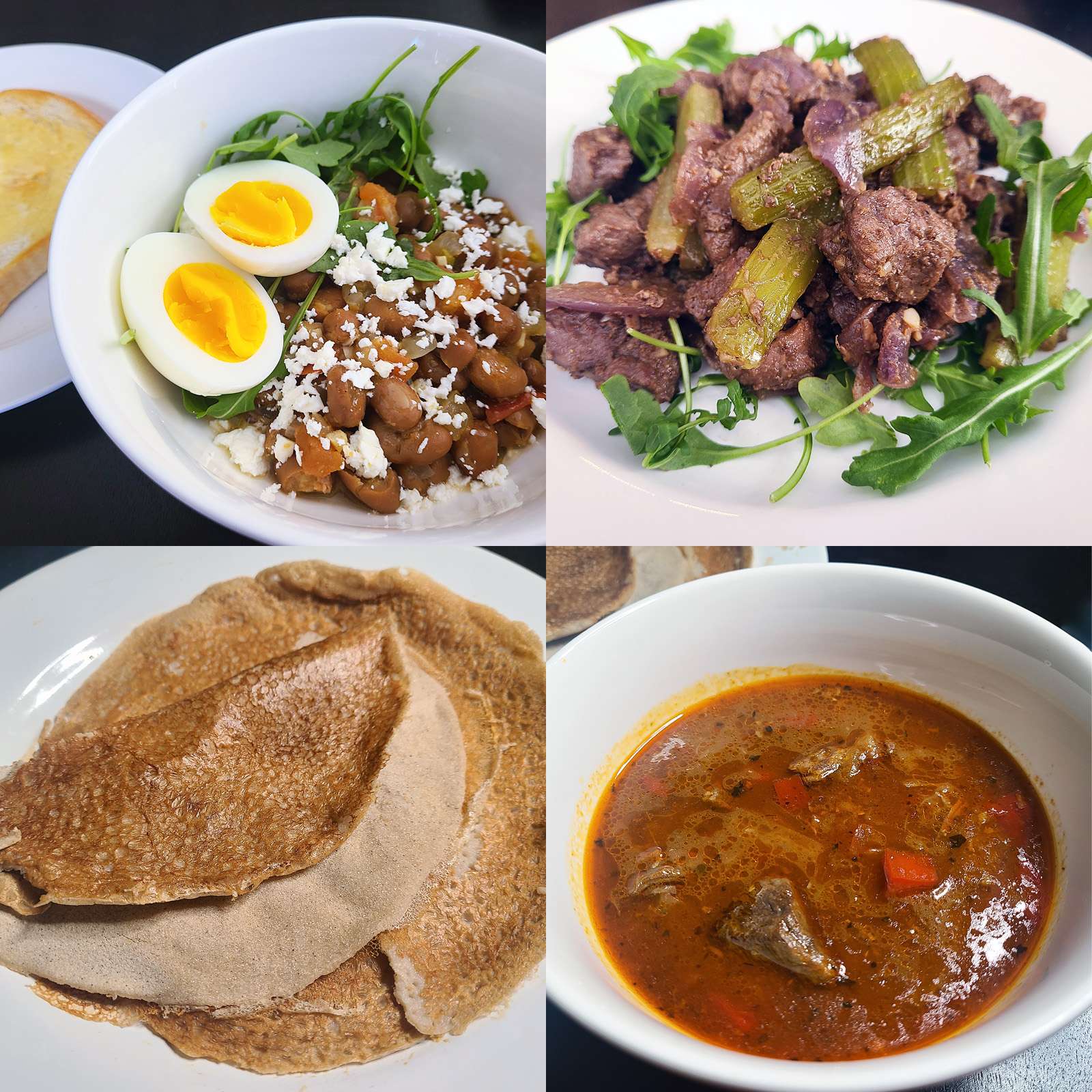
This week was tricky, mostly because I also have to cook food from Sudan pretty soon and I wanted to avoid doubling up on recipes too much. I did my best to pick dishes that are more popular in South Sudan than Sudan.
South Sudan is a landlocked country in East Africa, south of Sudan (as you may have guessed). It actually used to be part of Sudan. The population is made up of many ethnic groups, the earliest of which began migrating into the area sometime before the 10th century.
Sudan was occupied by Egypt in the 1800s. In 1899, it was colonized by the British, though they shared control to some extent with Egypt. Britain tended to put more focus on developing the north of the country, which caused the south to fall behind and eventually led to a civil war.
In 1956, Sudan gained independence. However, civil wars and general unrest followed until finally, in 2011, South Sudan broke away from Sudan as a separate country. Conditions did not seem to improve, and South Sudan endured its own civil war from 2013 to 2018.
South Sudan is currently one of the least developed countries in the world and ranks the lowest in the Human Development Index.
What Do People Eat in South Sudan?
South Sudanese cuisine is largely based on grains such as rice, maize, millet, and sorghum, some of which can be made into a porridge or bread to accompany sauces or stews. Vegetables such as potatoes, yams, sweet potatoes, and okra are also common, as are beans, lentils, and peanuts.
Meat is usually goat, mutton, chicken, or beef. Near rivers and lakes, fish is commonly eaten. Meat and fish can be cooked in a stew, grilled, or dried.
There are some Middle Eastern influences, such as the use of spices like cumin, cinnamon, and coriander in certain dishes.
What I Made
- Fuul (Fava Beans with Feta and Egg)
- Shaiyah (Pan-Fried Lamb)
- Mullah Damah (Beef Stew)
- Kisra (Savory Sorghum Pancakes)
Scroll down to read about other popular South Sudanese dishes I didn’t make!
Fuul (Fava Beans with Feta and Egg)
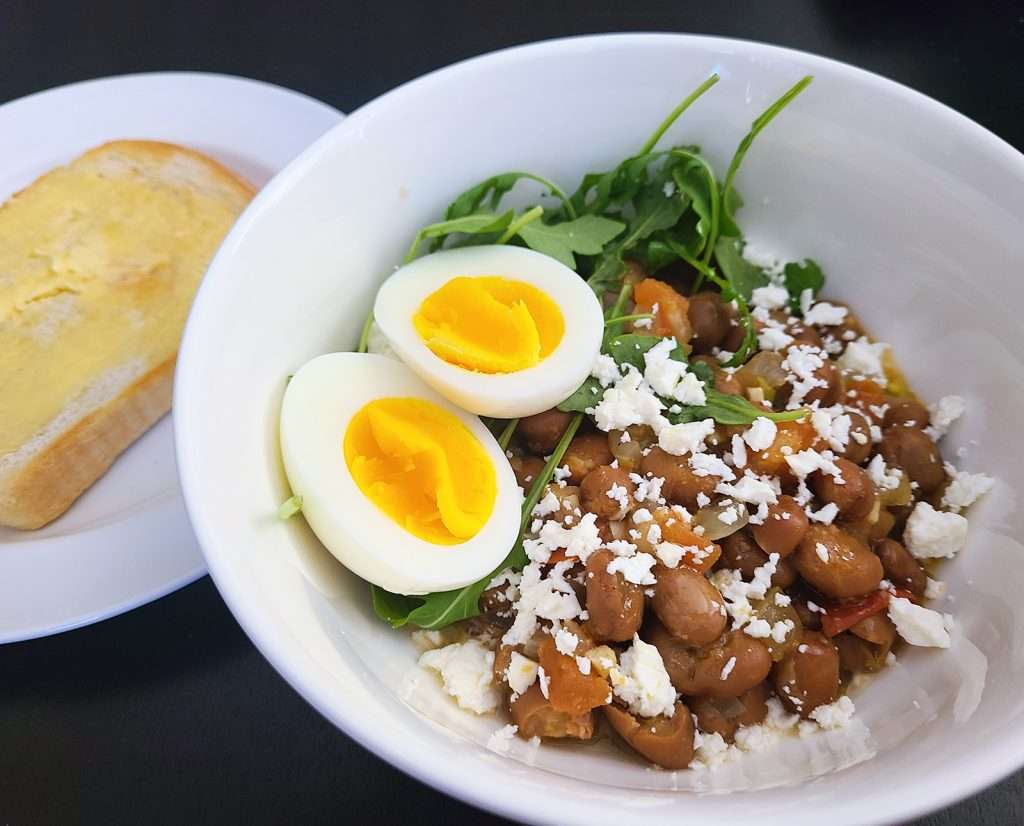
Fuul is a popular dish in a lot of places, mostly in North Africa. There are many variations, but it typically consists of fava beans cooked with tomatoes and onion, and it’s often topped with eggs. The spices used and the consistency vary. Other common additions are feta and greens, and bread of some kind is usually served on the side.
I began by sautéing chopped onion in a little oil. I added garlic and chopped tomatoes, then a few minutes later I added canned fava beans (I rinsed them first). I seasoned with cumin, salt, and pepper, and added some water. I let the mixture simmer for a little while, then squeezed in some lime juice.
I served the fava beans with arugula, feta cheese, and a boiled egg, with bread on the side. I thought this was delicious, and it’s healthy too! Definitely a dish I would make again.
The recipe I used is from Sudanese Kitchen.
Shaiyah (Pan-Fried Lamb)
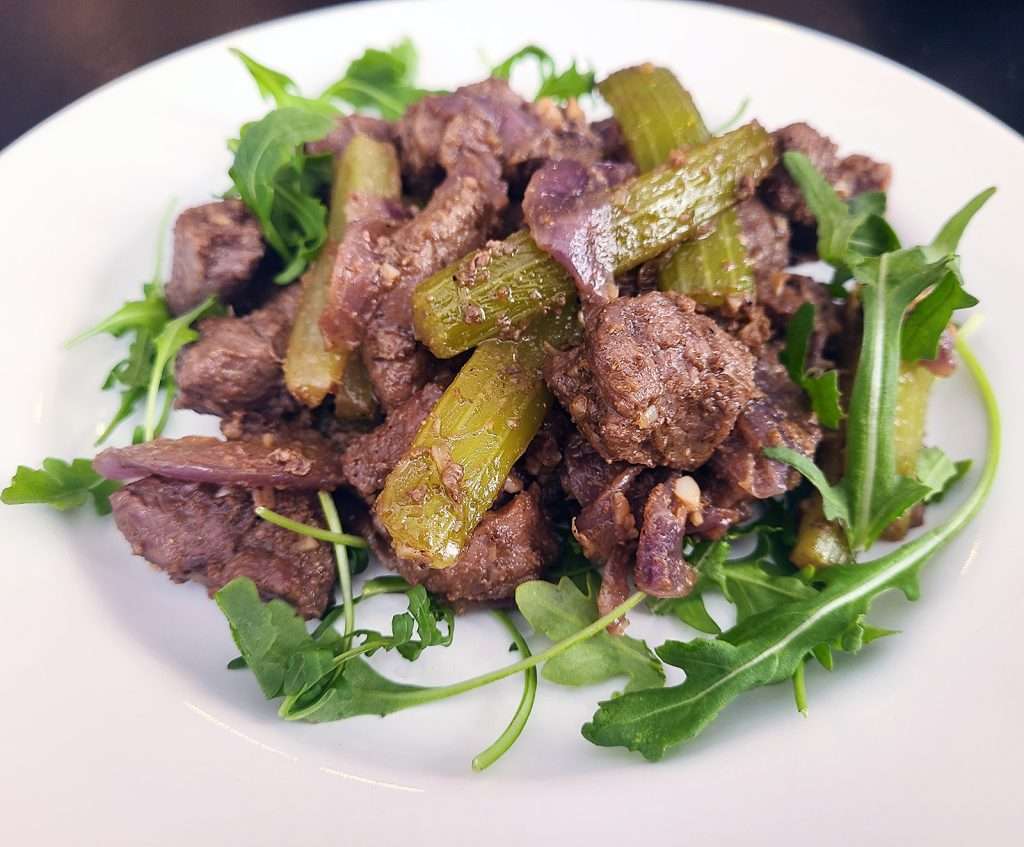
Shaiyah consists of pan-fried meat, usually lamb or beef. It’s commonly cooked with onion and celery, and served with greens such as arugula.
I began by browning chunks of lamb leg in oil. I added celery, red onion, garlic, bay leaves, and a whole jalapeño. Then I seasoned with salt, pepper, cumin, and cayenne pepper. I put the lid on and let everything cook for a bit
I drained the liquid that had accumulated, then added oil and cooked everything for a few more minutes, adding some of the cooking liquid back when the mixture got too dry.
I served this with arugula and a squeeze of lime juice. It was really good!
I used the recipe from Taste of South Sudan on YouTube. I changed the directions a bit, since I was using lean lamb leg and didn’t want to cook it for too long. I think lamb shoulder or beef chuck would be ideal for this recipe.
Mullah Damah (Beef Stew)

This beef stew has a tomato base and is seasoned with cinnamon, coriander, cumin, paprika, garlic, ginger, and curry powder. It can be served with kisra (next dish), rice, flatbread, or bread rolls.
I began by cooking sliced onions in oil. Once they began to soften, I added chunks of beef chuck and seasoned with salt and pepper. Then, I added a cinnamon stick, cumin, coriander, paprika, curry powder, tomato paste, and mixed herbs (I just used Italian herbs since the recipe wasn’t more specific).
I stirred in crushed ginger and whole tomatoes, then poured in chicken stock and let the stew simmer until the tomatoes were soft. I took out the tomatoes, peeled them (which was easy at this point), and pureed them in my blender. I added the tomato puree back to the stew.
Next, I added chopped red bell pepper. I let the stew cook further until the meat was just about done, then added crushed garlic.
I cooked a little longer, and then the stew was ready. This particular recipe actually included boiled eggs, but I didn’t add them. They are not a staple in the traditional recipe, and although I’m sure it would have been delicious that way, I wanted to freeze the leftovers. I can’t imagine boiled eggs freeze that well!
The recipe I used is from Asedo’s Kitchen on YouTube.
Kisra (Savory Sorghum Pancakes)
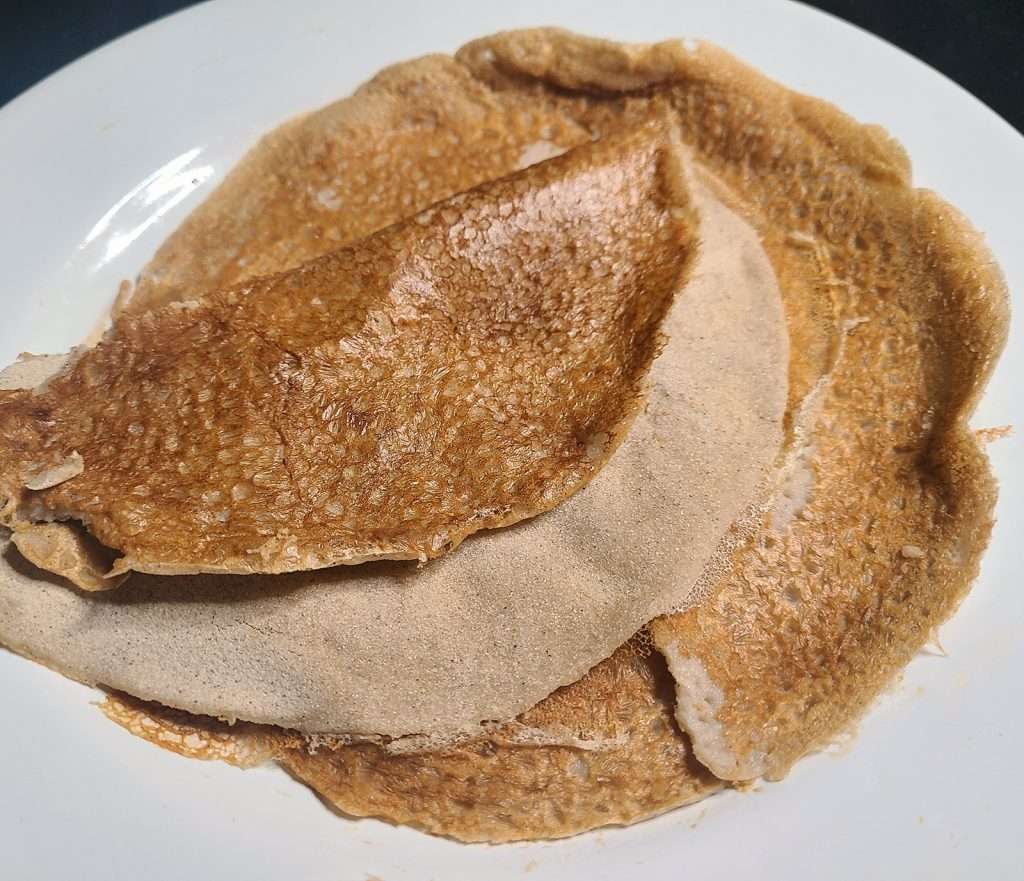
Kisra is a thin pancake or flatbread made from sorghum flour. It’s a common accompaniment to meals, especially anything with a flavorful sauce to soak up.
To start, I combined sorghum flour with water and a little yogurt. I covered the mixture and let it sit overnight.
The next day, I cooked the kisra in a non-stick pan, just on one side. I had some trouble removing them from the pan, as you can see from my messy presentation!
The kisra didn’t have much flavor on their own, but I wasn’t really expecting them to. I served them with the mullah damah, but I do think I would have preferred bread!
The recipe I used is from Sudanese Kitchen.
Other Popular South Sudanese Dishes
- Asida – a thick porridge, commonly made from sorghum, maize, or millet flour. It’s usually served with stews.
Final Thoughts
This week was pretty good! My favorite dish was the fuul but I liked almost everything. Just not the kisra so much!
Next time, I will be cooking food from Spain.